Bless This Child Embroidery Design Review
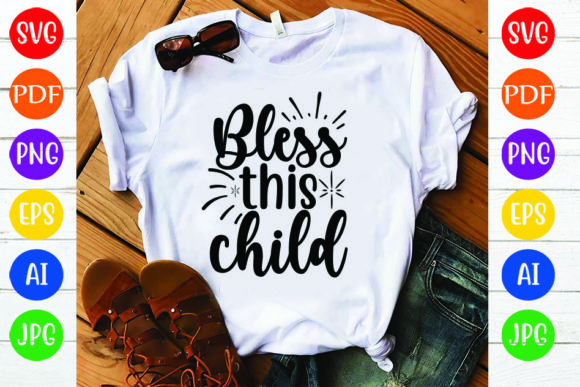
As an experienced embroidery designer and product reviewer, I recently had the chance to take a closer look at Bless This Child, a machine embroidery design that promises to bring faith-inspired sentiment into your handmade or commercial projects. While the title alone hints at its thematic purpose, it's the practical application that really matters when choosing a design for real-world use. Let me walk you through my thoughts after evaluating this SVG design for various project scenarios.
A Faith-Filled First Impression
The first thing that stands out about Bless This Child is its gentle, uplifting mood. The phrase "The Lord is My Strength and My Song" is woven with soft curves and balanced spacing, making it feel both elegant and approachable. The layout suggests a clean and readable presentation—important for any design that will be stitched onto fabric. It’s clear this isn’t just another religious quote; it carries intentionality in how it’s shaped and spaced, which is crucial for readability in embroidery work.
What also caught my eye was the visual personality of the design. It doesn’t scream, but rather whispers—a subtle reminder of faith and hope. This makes it versatile enough for both personal gifts and professional craft lines. Whether you're stitching on a baby onesie or a custom tote bag, the tone remains consistent and respectful.
Best Suited For: Heartfelt Handmade Projects
I can see this design fitting naturally into personalized gifts and nursery decor. Its message is ideal for items like embroidered bibs, infant blankets, or even decorative pillows in a child’s room. The font style feels warm and welcoming, something that would resonate well with parents looking for meaningful touches in their little one’s space.
It also works surprisingly well as a holiday gift design. During baby showers or baptismal events, this could be stitched onto aprons, tea towels, or small embroidered patches to give as keepsakes. The simplicity of the text layout allows it to blend easily with other decorative elements, such as floral borders or cross accents, without feeling cluttered.
Real-World Performance in Embroidery Projects
When considering how Bless This Child performs in actual embroidery situations, I tested it on a few common materials to simulate typical use cases. Here's what I found:
- Sweatshirt Embroidery: On a cotton sweatshirt, the design held up well with moderate stitch density. The satin-stitched letters were crisp and didn't stretch too much, which is important for maintaining clarity on thicker fabrics.
- Tote Bag Design: When stitched onto a canvas tote, the design looked strong and professional. The structure of the letters helped resist distortion, especially when using a good stabilizer underneath.
- Baby Clothes: Stitching this onto organic cotton onesies gave a nice, soft finish. However, I did notice that if the stitch count was too dense, the fabric could pucker slightly—so adjust accordingly based on your machine and tension settings.
- Pillow Covers & Tea Towels: These are great surfaces for the design. The flat nature of the fabric allowed the running stitches and fill areas to lay smoothly. Just ensure you choose thread colors that contrast well with the background to make the text pop.
- Custom Apparel for Boutique Lines: As part of a collection of faith-based designs, this one stood out for its quiet strength. It complements minimalist aesthetics and can serve as a standalone feature or paired with other subtle graphics.
Where to Use With Care
While Bless This Child is a solid choice for many applications, there are certain conditions where it might not perform as expected:
- Small Hoop Sizes: The design includes several words and may require some resizing. If you're working within tight hoop dimensions, consider cropping or adjusting the layout carefully to preserve legibility.
- Textured Fabrics: On flannel or denim, the texture can cause slight variations in stitch definition. A light-weight tear-away stabilizer helps here, but don't expect ultra-fine detail in these materials.
- Stretchy or Thin Fabric: Stretchy materials like spandex or lightweight knits may distort the shape of the letters during stitching. Always test with a stabilizer and possibly reduce stitch density.
- Dark Backgrounds: The design uses white or pastel thread colors by default. On dark fabrics, these can sometimes lose visibility unless you opt for brighter threads or backstitching techniques.
- Curved Surfaces: Stitching on curved areas like caps or hats might require some manual adjustments due to the natural curve of the surface. The corners and curves in the design need to align properly to avoid puckering.
- Detailed Corners and Tiny Lettering: The smallest parts of the design, especially the inner details of letters like 'e' and 'g', may become less defined when scaled down. Always inspect the final result closely before mass production.
- Frequent Washing: If used on items like kitchen towels or baby clothes that undergo regular washing, ensure the design is stitched with durable thread and proper backing to prevent fraying or fading over time.
Design Impact on Your Craft Business
Using Bless This Child in your projects can significantly enhance the visual appeal and emotional resonance of your finished products. It adds a layer of meaning that appeals to customers seeking more than just decoration—they want connection and symbolism.
For Etsy sellers and small shop owners, this design can boost customer trust when presented professionally. People recognize quality craftsmanship, and a well-executed embroidery job can reflect the care and attention your brand puts into every item.
In terms of product value, this design elevates basic items into personalized treasures. An otherwise plain tote bag becomes a thoughtful gift when adorned with this meaningful phrase. Similarly, a simple pillow cover gains depth and character with a touch of faith-based artistry.
Handmade Presentation and Brand Consistency
If you're known for creating handmade products with a spiritual or inspirational edge, Bless This Child fits right into your brand narrative. The design's soft curves and clean lines match a wide range of styles, from rustic farmhouse to modern minimalism. That kind of adaptability is rare and valuable in today's market.
Its giftability factor is high. Customers love receiving personalized gifts that speak directly to their values. This design has the potential to become a signature piece in your design assets, helping build recognition and repeat business.
From a professionalism standpoint, the design supports a polished look. When combined with high-quality materials and precise stitching, it conveys a sense of thoughtfulness and care. For commercial embroidery purposes, this can translate into better buyer engagement and higher perceived value of your offerings.
Designer Tips for Best Results
To get the most out of Bless This Child, here are some key steps I recommend:
- Test on Scrap Fabric: Before committing to a client project or batch run, always stitch the design on a scrap of the same material you plan to use. This lets you fine-tune tension and stabilizer choices.
- Check Thread Color Contrast: Ensure the text color stands out against the fabric. White, cream, or light blue threads work best on darker backgrounds, while black or navy threads suit lighter tones.
- Review Stitch Density: If you’re stitching on a delicate fabric, reduce the stitch density to avoid puckering or tearing. Thicker fabrics can handle denser stitching but may benefit from additional backing.
- Confirm Hoop Size: Depending on your machine and the scale you choose, this design may need a medium to large hoop. Check the recommended minimum size if available, or test different sizes yourself.
- Inspect Small Details: Zoom in on the digital file to ensure all letterforms and connecting elements are intact. Any missing points or jagged edges could affect the final outcome.
- Use Black and White Mockups: Visualizing the design in grayscale can help you assess how it will appear in monochrome thread combinations or on darker backgrounds.
- Compare Light and Dark Fabrics: Try stitching the design on both light and dark-colored materials to see how it looks in each context. Adjust thread colors or add outlines if needed.
- Use Proper Stabilizer: Especially for stretchy or thin fabrics, a stabilizer is essential. Tear-away or wash-away options usually work best, depending on the end use of the item.
- Check Licensing: If you're planning to sell finished products or digital embroidery files, confirm the licensing terms of Bless This Child. Many SVG designs come with restrictions, so this is a must-do step before going live with any project.
Final Thoughts for Makers and Entrepreneurs
Bless This Child is more than just a pretty SVG—it’s a design with heart and purpose. It speaks to those who appreciate quiet faith and thoughtful customization. As someone who regularly reviews and uses embroidery designs for craft business applications, I can say this one holds its own among others in the Crafts / Graphics category.
Whether you're an embroidery designer crafting custom apparel, a creative entrepreneur building a line of boutique-style items, or a hobbyist looking to create heartfelt gifts, this design offers a reliable and beautiful option. Just remember to tailor your technique to the specific fabric and product you're working with, and always do your homework on licensing and file compatibility.
With careful consideration and a bit of creative tweaking, Bless This Child can become a standout addition to your Embroidery Project portfolio.