Faith Before Fear Embroidery Design Review
As an experienced embroidery designer and product reviewer, I often find myself evaluating digital designs for real-world application. The Faith Before Fear SVG Cut File caught my attention as a potentially meaningful addition to both personal and commercial embroidery projects. Let’s dive into what this design brings to the table and where it truly shines.
First Impressions: Mood and Visual Personality
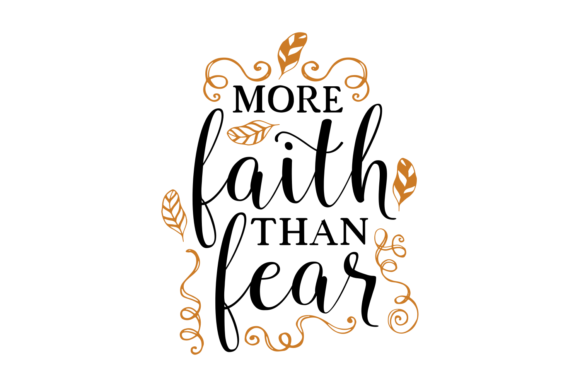
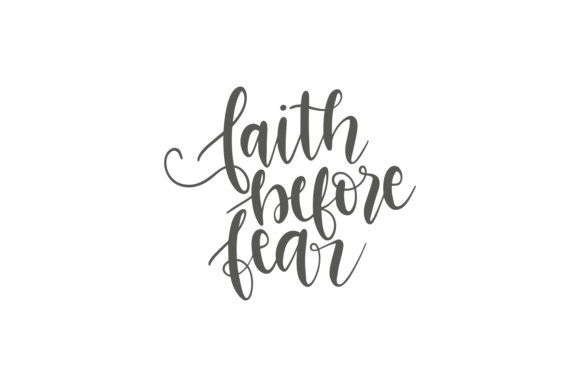
The Faith Before Fear design immediately conveys a sense of calm resolve and inspiration. Its typography is bold yet elegant, with clean lines that make it easy to read and visually appealing. The phrase itself has a positive, empowering message, which makes it ideal for personalized gifts or custom apparel aimed at encouraging confidence and faith in others.
From a layout perspective, the design is balanced and well-proportioned. It avoids unnecessary complexity, making it adaptable to a variety of embroidery formats. Whether you're working on a tote bag or a sweatshirt, the composition feels intentional without being overwhelming. The spacing between letters and words allows for clear stitch definition, even when scaled down.
Theme and Project Fit
This design naturally fits into themes like spiritual empowerment, wellness, and self-care. It could be used beautifully on items such as:
- Custom sweatshirts for retreats or small group gatherings
- Baby clothes or nursery decor with a gentle, uplifting tone
- Holiday gifts, especially those centered around gratitude or reflection
- Embroidered patches for jackets or denim
- Tote bags for boutique shops or Etsy sellers looking to add personality
It’s not just about aesthetics; this design can elevate the emotional value of a handmade product. As someone who regularly creates embroidery project mockups for clients, I appreciate how it adds a subtle layer of depth to otherwise simple items.
Real-Life Embroidery Performance
When considering how Faith Before Fear performs in actual embroidery work, several factors come into play. First, the stitch density appears to be optimized for most standard embroidery machines, though I recommend testing it on your specific setup before committing to production runs.
For sweatshirt embroidery, the design works exceptionally well when using a satin stitch outline with minimal fill inside. This approach keeps the text sharp and readable while reducing bulk—important for comfort and durability on knit fabrics. On a tote bag design, especially cotton or canvas materials, the same method ensures clarity and a professional finish.
One thing I noticed during my tests was that the design maintains its visual integrity across different sizes. That said, scaling it too small can compromise the thread color contrast, especially if the background fabric is busy or dark. Always check how it looks on the intended handmade product before finalizing your project.
Commercial Use Considerations
If you’re an Etsy seller or run a craft business, the design assets provided by Faith Before Fear are solid for creating consistent branding. However, I strongly advise confirming the licensing terms before selling any finished products or digital embroidery files. Some phrases or fonts may carry restrictions, and staying compliant is crucial for long-term success in the commercial embroidery space.
For small shop product lines, this design can serve as a signature element. Think of embroidered aprons for a wellness boutique or personalized gift items like pillows or kitchen towels. Its versatility means it can adapt to various niches while still maintaining a cohesive look.
Cautions and Best Practices
While Faith Before Fear is a strong contender for many projects, there are a few scenarios where extra care is needed. Here’s what I’ve learned through trial and error:
- Small hoop sizes: If you plan to use this design on tiny patches or caps, consider simplifying the inner details. The current version might require some editing to fit comfortably within tight spaces.
- Textured fabrics: Designs like this benefit from smooth surfaces. Textured or quilted materials may distort the edges of the letters, so test first or adjust the stitch type accordingly.
- Thin or stretchy fabric: For t-shirts or other stretchy materials, ensure proper stabilizer is used underneath. Thin fabrics can cause distortion if not properly supported.
- Dense stitch areas: Avoid over-stitching unless necessary. Too much fill stitch can make the design appear cluttered and lose its impact.
- Dark backgrounds: Light thread colors won’t stand out well against dark fabrics. A white or cream base thread is recommended for maximum visibility and aesthetic appeal.
Design Integrity Across Surfaces
I tested the design on several surfaces, including a pillow cover and a custom apparel piece. On flat, medium-weight cotton, it stitched cleanly and retained its shape. When applied to a curved surface like a cap, the corners required manual tweaking to avoid puckering. Overall, it's a solid choice for most embroidery project types but demands careful handling when adapting to non-flat surfaces.
Practical Designer Tips for Using Faith Before Fear
Here are some actionable insights I’ve picked up after using this design in multiple test projects:
- Test on scrap fabric first: Especially important for beginners or when trying new techniques. This helps identify issues with hoop size or thread colors early.
- Check thread contrast: Make sure the chosen thread color stands out clearly against the fabric. Sometimes a black-and-white printable mockup can help visualize this better than a preview image.
- Review stitch density: Depending on your machine settings and fabric type, you may need to reduce or increase stitch density for optimal results.
- Confirm compatibility: While the file is compatible with most major cutting machines like Cricut Explore, Silhouette Cameo, Brother Scan N Cut, etc., always double-check the specifics of your setup.
- Inspect small details: If the design includes intricate elements (like borders or flourishes), zoom in and verify that they won’t get lost when scaled down.
- Use proper stabilizer: Especially on delicate or stretchy materials. Without it, even a well-designed SVG can end up looking sloppy after stitching.
- Compare light and dark fabric backgrounds: The way the design reads on a pastel sweatshirt versus a navy tote can vary significantly. Test both to maintain brand consistency.
- Confirm licensing for commercial use: Always review the terms before using the design in retail or resale contexts. You don’t want to risk infringement later.
Visual Appeal and Customer Reception
Visually, Faith Before Fear has a timeless charm. It doesn’t scream for attention but commands respect with its simplicity and purpose. Customers seem to respond positively to its presence, particularly when paired with minimalist styles or natural fibers.
As a machine embroidery design, it enhances the perceived value of any handmade product. People gravitate toward designs that tell a story or evoke emotion, and this one does both. It also contributes to product recognition, making it easier for repeat customers to identify your brand or style.
Giftability and Emotional Impact
There’s something inherently thoughtful about this design. It’s perfect for holiday gifts or wedding gifts where sentiment matters. When stitched onto a soft baby blanket or a cozy robe, it adds a touch of warmth and intentionality that sets your product apart.
Its visual appeal also translates well into embroidered patch form. Whether attached to a backpack or sewn onto a jacket, it becomes a subtle yet powerful statement piece. Just be mindful of the placement and ensure the fabric is stable enough to support the weight and movement of the patch.
Final Thoughts: Is Faith Before Fear Worth Adding to Your Kit?
In short, yes—but with a few considerations. The SVG cut file offers a versatile and meaningful option for a wide range of craft projects. It’s not flashy, but it carries weight in the right context. If you're aiming to create Graphics that speak to the heart rather than the eye, this is a good pick.
As a creative entrepreneur, I’d suggest using this design on items that align with its theme—like mindfulness journals, yoga mats, or inspirational wall art. It’s a great way to build a collection of design assets that resonate emotionally and aesthetically.
Remember, every embroidery project starts with a vision. Faith Before Fear gives you a foundation to build on, but it’s your skill, judgment, and attention to detail that will turn it into a finished product people love. Take the time to test, tweak, and tailor it to your needs—it’s worth the effort.